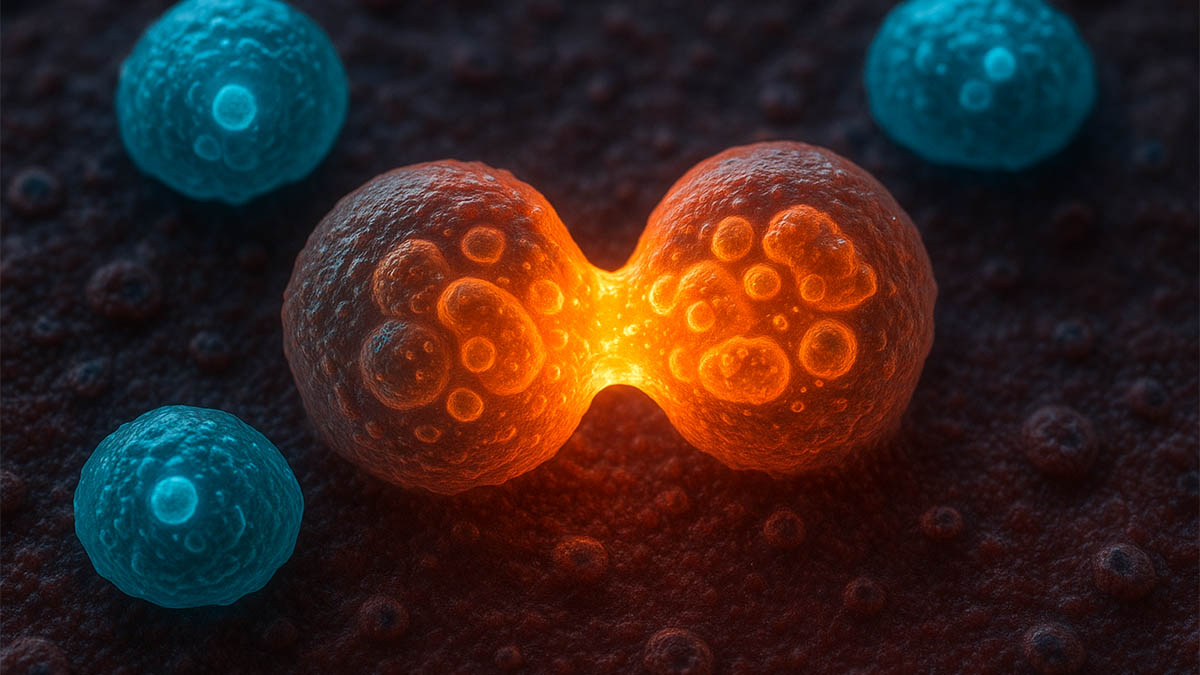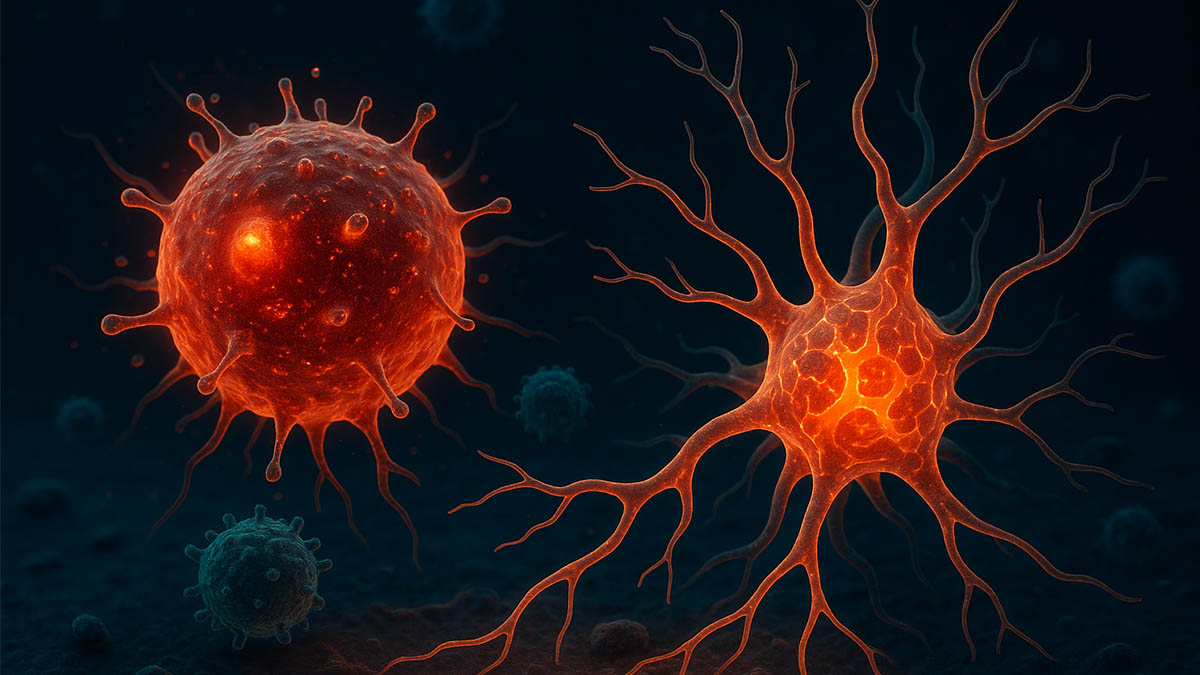
The Regenerative Medicine is transforming the way we understand and treat a wide range of diseases and injuries. Using advanced techniques to promote cell, tissue, and organ regeneration, this field promises to revolutionize healthcare. This article explores the current and potential benefits of cell regeneration, drawing on the latest advances and studies in the field.
The Healing Power of Cells in Regenerative Medicine
Cellular regeneration focuses on the body’s natural healing power. Stem cells, in particular, have the ability to differentiate into various cell types within the body, making them crucial in the repair and regeneration of damaged tissues. The latest research has shown that manipulating stem cells can treat conditions ranging from bone and skin injuries to neurodegenerative and cardiac diseases.
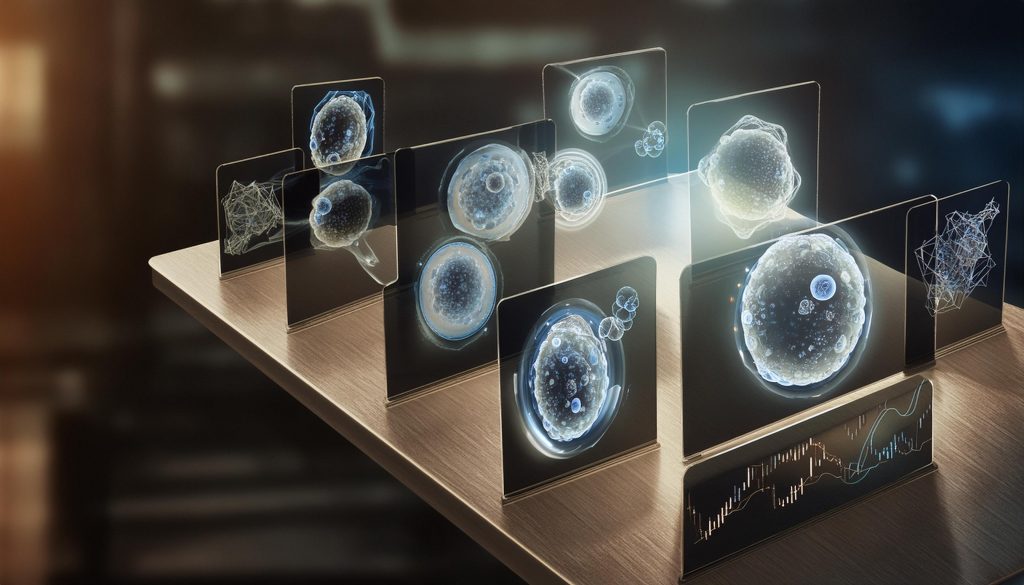
How Cell Regeneration Is Changing Common Treatments?
Advancements in cellular therapy not only promise more effective treatments but also quicker ones with fewer side effects compared to conventional methods. For instance, in the treatment of severe burns, stem cell therapy can significantly reduce healing time and enhance the quality of skin reconstruction.
Advancements and Challenges in Cell Research
Despite its promising benefits, cell regeneration faces several challenges. The safe and effective integration of regenerated cells into the human body remains a key area of research. Additionally, the ethical and regulatory aspects of stem cell therapy still require clarification and consensus globally.
Conclusion
Cell regeneration offers a hopeful horizon in medicine, with the potential to cure diseases previously deemed incurable. As research progresses, we are likely to see more transformative clinical applications that will significantly improve patients’ quality of life.
External References
- National Institutes of Health (NIH) – Research on cell regeneration.
- Journal of Regenerative Medicine – Recent advances in the field.