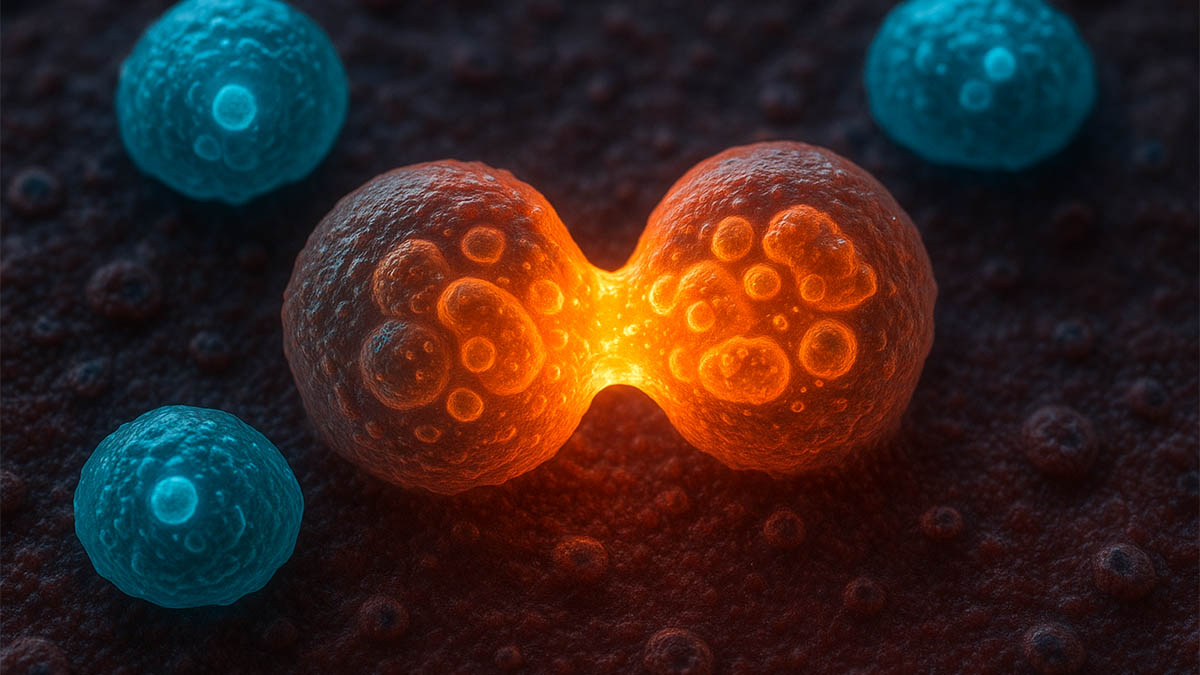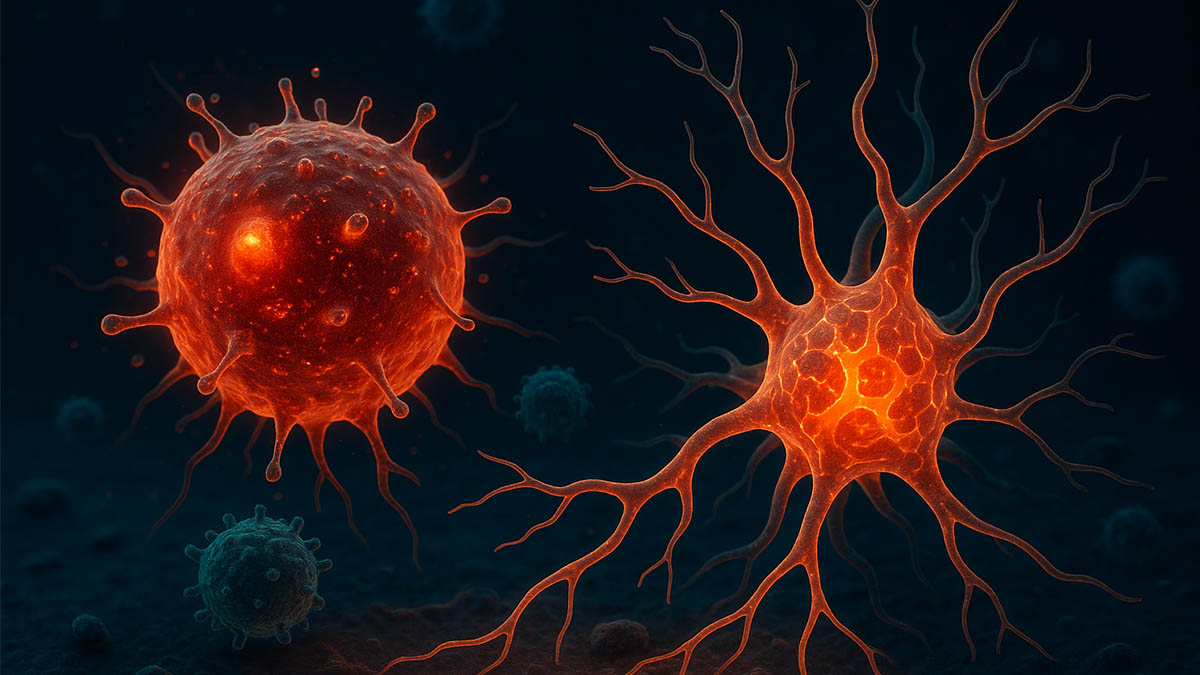

Asthma is a chronic respiratory condition characterized by airway inflammation, hyperresponsiveness, and variable airflow obstruction. While conventional therapies—including inhaled corticosteroids, bronchodilators, and biologics—effectively manage many cases, some patients suffer from severe or refractory asthma. Stem cell treatment for asthma represents a novel approach aiming to modulate immune responses, reduce inflammation, and repair damaged airway tissue.
Tissue regeneration using stem cells offers the potential to address the underlying pathology rather than only alleviating symptoms, positioning regenerative therapy as a potential game-changer in pulmonary medicine.
Understanding Stem Cell Therapy for Asthma
Stem cells are undifferentiated cells capable of self-renewal and differentiation into multiple cell types. Their immunomodulatory and regenerative properties make them attractive candidates for asthma therapy.
Types of Stem Cells Utilized
- Mesenchymal Stem Cells (MSCs): Derived from bone marrow, adipose tissue, or umbilical cord; possess anti-inflammatory and tissue-repair properties.
- Hematopoietic Stem Cells (HSCs): Primarily used in hematologic disorders; experimental applications in asthma are limited.
- Induced Pluripotent Stem Cells (iPSCs): Reprogrammed adult cells used in research to generate airway epithelial cells.
MSCs are currently the most widely studied for asthma due to their ability to secrete anti-inflammatory cytokines, modulate immune cell activity, and promote repair of damaged airway tissue.
Mechanism of Action
Stem cell treatment for asthma works through multiple mechanisms:
- Immunomodulation: MSCs reduce Th2-mediated inflammation, a key driver in allergic asthma.
- Tissue Repair: Stem cells contribute to regeneration of damaged bronchial epithelium and alveolar structures.
- Paracrine Effects: Secretion of growth factors and extracellular vesicles supports endogenous repair mechanisms.
Preclinical studies have demonstrated that MSC administration can reduce airway hyperresponsiveness, mucus production, and inflammatory cell infiltration in animal models.
Clinical Applications and Protocols
Patient Selection
Candidates for stem cell therapy typically include patients with:
- Severe or refractory asthma unresponsive to standard therapy
- Frequent exacerbations requiring hospitalization
- High reliance on systemic corticosteroids
Procedure Overview
- Source of Stem Cells: Autologous MSCs harvested from bone marrow or adipose tissue, or allogeneic MSCs from donor tissue
- Delivery Method: Intravenous infusion or targeted bronchial delivery via bronchoscopy
- Adjunct Therapy: Continuation of standard asthma medications during initial treatment phases
- Monitoring: Pulmonary function tests, inflammatory biomarkers, imaging, and clinical assessments
Treatment protocols vary by clinic and research study, with doses tailored to patient weight, severity, and comorbid conditions.
Pre-Treatment Evaluation
Before administration, patients undergo a comprehensive evaluation:
- Detailed medical history, including asthma severity, medication usage, and exacerbation frequency
- Pulmonary function tests (FEV1, peak expiratory flow)
- Laboratory tests to assess systemic inflammation and suitability for stem cell therapy
- Imaging studies, such as high-resolution CT, to evaluate airway structural integrity
Proper evaluation ensures patient safety and optimizes the likelihood of therapeutic benefit.
Costs and Accessibility
The stem cell treatment for asthma is an advanced procedure with costs influenced by cell source, clinic reputation, and delivery method.
| Procedure Type | Typical Cost (USD) |
|---|---|
| Autologous MSC infusion | $10,000–$25,000 |
| Allogeneic MSC therapy | $15,000–$30,000 |
| Bronchial-targeted delivery | $20,000–$35,000 |
Medical tourism to centers in Mexico, including Tijuana, is increasingly popular due to cost savings, experienced clinicians, and proximity to the United States.
Efficacy and Clinical Evidence
Recent clinical trials and observational studies indicate:
- Reduction in airway inflammation and eosinophil counts
- Improvement in lung function (FEV1 and peak expiratory flow)
- Decreased frequency and severity of asthma exacerbations
- Reduced systemic corticosteroid dependence
While results are promising, most studies are early-phase trials. Large-scale, randomized controlled trials are ongoing to establish long-term efficacy and safety.
Risks and Considerations
Potential risks include:
- Local infusion site reactions
- Transient fever or immune response
- Risk of infection if sterility is compromised
- Uncertain long-term efficacy, especially in severe asthma phenotypes
Patients should select accredited, research-based centers to minimize complications and ensure standardized protocols.
Comparative Analysis: Mexico vs U.S.
| Feature | Mexico | USA |
|---|---|---|
| Cost | $10,000–$30,000 | $25,000–$50,000+ |
| Access to Trials | Broader availability of approved MSC therapy | Limited to clinical trials |
| Clinical Expertise | Experienced regenerative medicine centers | Specialized university hospitals |
| Travel & Accommodation | Streamlined for U.S. patients | Domestic only |
| Follow-up Care | Telemedicine support | Standard in-person follow-up |
Mexico offers accessible, cost-effective care while maintaining quality and safety for international patients.
Medical Tourism Considerations
Tijuana and other Mexican medical hubs offer:
- Accreditation and regulatory oversight
- Concierge services for international patients
- Translation and logistical support
- Telemedicine follow-up for U.S. patients
These factors contribute to a seamless and safe treatment experience.
Future Directions in Stem Cell Therapy for Asthma
- Exosome Therapy: Utilizing stem cell-derived exosomes to reduce inflammation and repair airway tissue
- Gene Editing: CRISPR-based interventions for targeted immune modulation
- Combination Therapies: MSCs with biologics or PRP for enhanced efficacy
- Artificial Intelligence Integration: Predicting patient response and optimizing treatment protocols
Ongoing research promises to refine dosing, delivery methods, and patient selection criteria, further improving outcomes.
Is stem cell treatment for asthma safe and effective for U.S. patients traveling to Mexico?
Yes, when performed at accredited clinics, stem cell therapy in Mexico follows international safety standards, with careful patient evaluation, sterile protocols, and comprehensive follow-up care. Cost savings and accessibility are additional benefits.
Stem cell treatment for asthma offers a promising option for patients with severe or refractory disease, combining regenerative therapy with symptom management. Key considerations include:
- Selection of accredited clinics with experienced staff
- Comprehensive pre-treatment evaluation and individualized protocols
- Integration with standard asthma therapy during the initial treatment phase
- Post-procedure monitoring and follow-up
Mexico has emerged as a leading destination for regenerative therapies, providing high-quality, cost-effective, and accessible stem cell treatments for international patients.
Stem cell treatment for asthma provides patients with innovative regenerative solutions to manage severe respiratory conditions. Accredited centers in Mexico offer accessible and safe treatment options, with cost advantages for U.S. patients. Future developments include exosome therapy, gene editing, and combination regenerative protocols to optimize asthma management.